Monthly Tips
Get the Garden and Landscape ready for the cool season
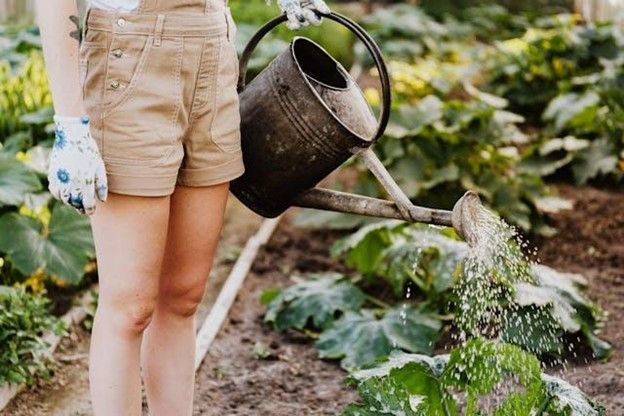
Gardening in Central Texas gardening is about rhythm — understanding how heat, humidity, and clay-heavy soils shift with the seasons. As the weather turns cooler and
we receive unexpected rainfall smart preparation now means fewer losses, richer soil, and
earlier blooms come spring.
● Clear out old crops and summer weeds.
● Amend and feed soil before it hardens in winter.
● Plant hardy crops and cover crops for soil vitality.
● Mulch generously to regulate moisture and prevent freezing.
● Protect less hardy perennials if you want to extend the season and maintain irrigation systems.
Setting Up for Seasonal Transition
Start your fall prep by removing all plant debris. Clean beds
discourage pests and create a blank slate for soil work. Take inventory of your garden
layout — note which areas received the best drainage and sunlight this year to plan your
winter plantings.
If you like keeping tidy garden records, this may help — you can merge planting charts, soil
reports, and seasonal photos into one organized file for future reference.
Soil Revitalization Before the Cold
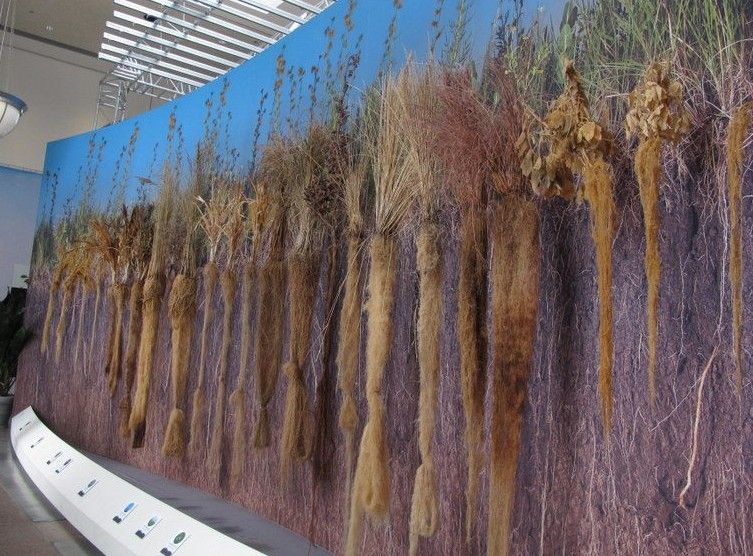
Healthy soil means resilient plants. In East Texas, clay-rich soil often becomes compacted
after heavy summer rain, so early fall is ideal for deep amendment.
Checklist for Soil Revitalization
● Add 2–3 inches of compost to boost microbial activity.
● Incorporate bone meal for root health.
● Avoid over-tilling — light mixing preserves soil structure.
● Water thoroughly to settle new amendments.
For accurate readings, try a Luster Leaf Rapitest Soil Test Kit — it’s user-friendly and
provides clear results in minutes.
What to Plant in Fall
Fall and winter don’t mean downtime — they mean transition. East Texas’s mild winters
allow cool-weather vegetables and soil-enhancing cover crops to flourish.
Recommended Fall Plantings
● Leafy greens: Kale, collards, mustard, spinach
● Root crops: Carrots, radishes, beets
● Alliums: Garlic, onions, leeks
● Cover crops: Rye, clover, vetch
For fresh regional seeds, consider High Mowing Organic Seeds — they carry hardy, non-
GMO options suited to Southern climates.
Frost Protection and Maintenance
Task Timing Tools Needed
Mulch garden beds Early November to keep soil temperature
stable
Cover tender plants Before first frost with a Frost blanket Remove during warm spells
Drain hoses Before freeze Hose-end
sprayer
Prevents cracking
Prune perennials After dormancy Pruning shears Avoid cutting too early
Clean tools End of season Linseed oil Prevents rust
A lightweight, breathable frost Blanket can save young plants from unexpected
cold snaps while letting moisture and sunlight through.
How-To — Building a Protective Mulch Layer
Step-by-Step:
1. Remove weeds and leftover mulch.
2. Lay compost or soil conditioner first.
3. Add 3–4 inches of organic mulch (leaves, or shredded bark).
4. Keep mulch a few inches from plant crowns to prevent rot.
5. Replenish mid-winter if it decomposes.
Garden Infrastructure & Tool Care
Winter is tool-care season. Drain irrigation lines, clean birdbaths, and store fertilizers in
airtight bins. Sharpen your shears, oil wooden handles, and inspect trellises for rot.
A pair of sharp pruners are an excellent all-season investment. Clean them and sharpen as needed an you’re good to go.
FAQ
Q: When should I water before a freeze?
A: Water deeply 24 hours before a hard freeze. Moist soil retains heat better than dry soil,
protecting roots.
Q: Can I still compost through winter?
A: Yes. Cover the pile with a tarp to retain heat and turn it every few weeks.
Q: What are the easiest winter crops?
A: Collards and kale — both thrive in cooler soil and even taste sweeter after light frost.
Q: Should I bring containers indoors?
A: Move tropicals and succulents inside when night temps drop below 40°F.
Glossary
● Mulch: Material that protects soil and retains moisture.
● Cover crop: Plants grown to enrich and protect soil in off-seasons.
● Dormancy: Plant rest phase during cold weather.
● Compost: Organic matter that feeds soil microbes and nutrients.
In Central Texas gardening doesn’t end in November — it resets. By enriching your soil,
protecting your plants, and maintaining your tools, you ensure spring growth starts strong
and steady. Fall is not downtime; it’s investment time. Treat your garden now, and it’ll
reward you with a thriving ecosystem when warmth returns.
September in Central Texas