Monthly Tips
September
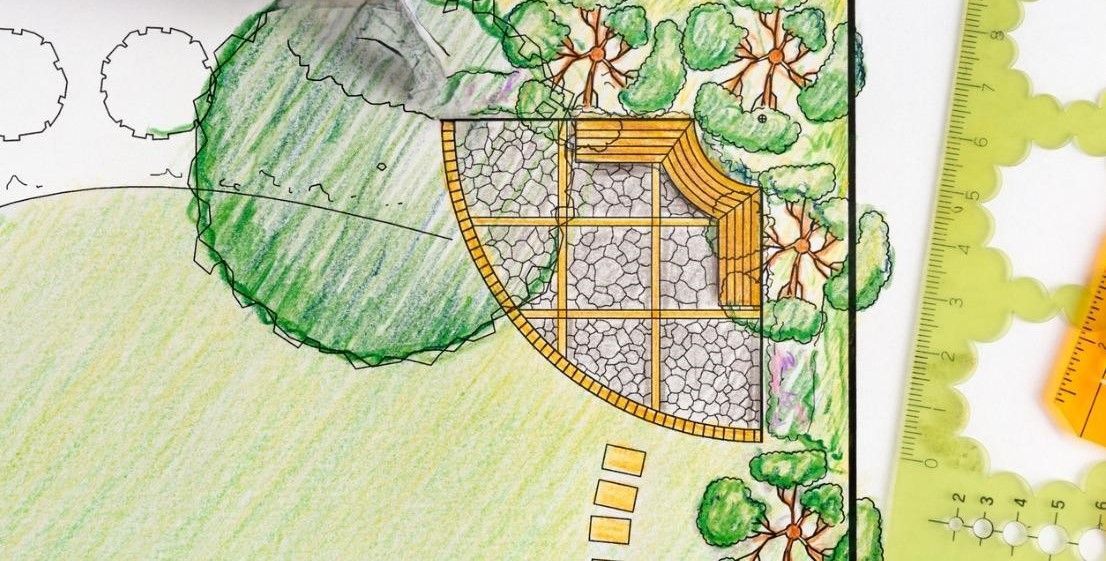
September is one of the most important transition months in Central Texas landscape. After months of triple-digit temperatures, the goal shifts from survival mode to recovery mode—while getting ready for our best planting season of the year.
September Landscape Priorities in Central Texas
1. Give stressed trees a deep drink.
Don’t assume a couple of thunderstorms erased the summer drought. Check the soil several inches down. Established trees benefit from slow, deep watering throughout the root zone rather than frequent shallow watering near the trunk.
2. Inspect the irrigation system.
September is a great time to find broken heads, clogged drip emitters and sprinklers watering the driveway better than the lawn. As temperatures moderate, begin adjusting watering schedules downward rather than continuing July settings.
3. Refresh the mulch.
Maintain roughly 2–3 inches of mulch around shrubs, perennials and trees. It conserves moisture, moderates soil temperature and suppresses weeds. Keep mulch pulled several inches away from tree trunks—no mulch volcanoes.
4. Don't give up on ugly plants too quickly.
Heat-stressed plants may look rough but still be perfectly alive. Scratch a small stem; green tissue underneath usually means there's life left. Give plants cooler weather and proper watering before deciding they're headed for the compost pile.
5. Start planting Texas natives and adapted perennials.
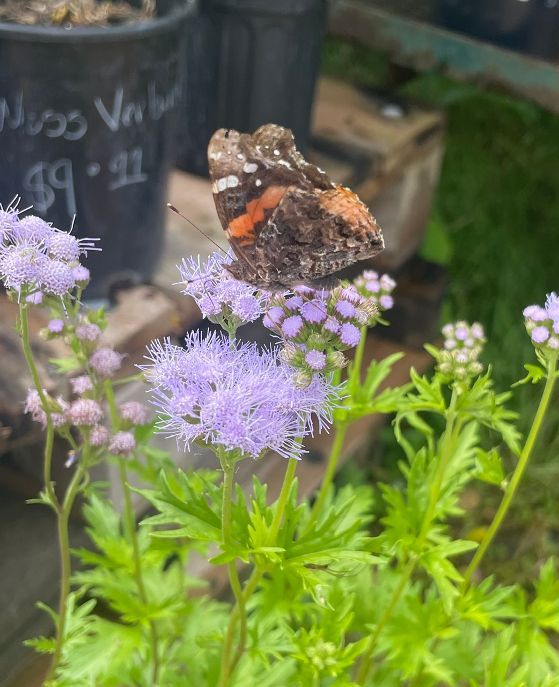
As temperatures begin dropping, September starts opening the door to our prime planting season. Think autumn sage, mealy blue sage, lantana, Gulf muhly, red yucca, rock rose, flame acanthus and other tough Texas performers. Fall planting gives roots months to establish before next summer.
6. Start planning trees and shrubs.
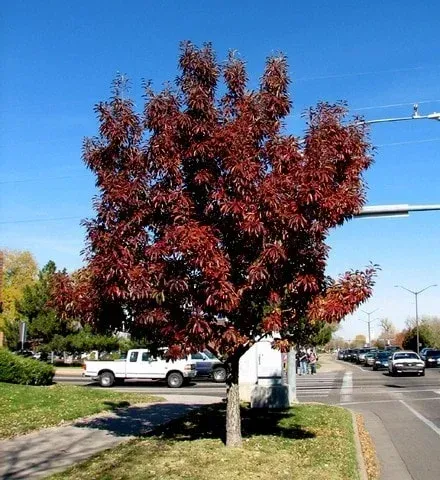
Fall is generally a much better time to install woody plants than spring. The soil remains warm enough for root development while cooler air temperatures reduce stress. October and November are especially valuable planting months, but September is the time to get the landscape planned.
7. Get wildflower seed ready.
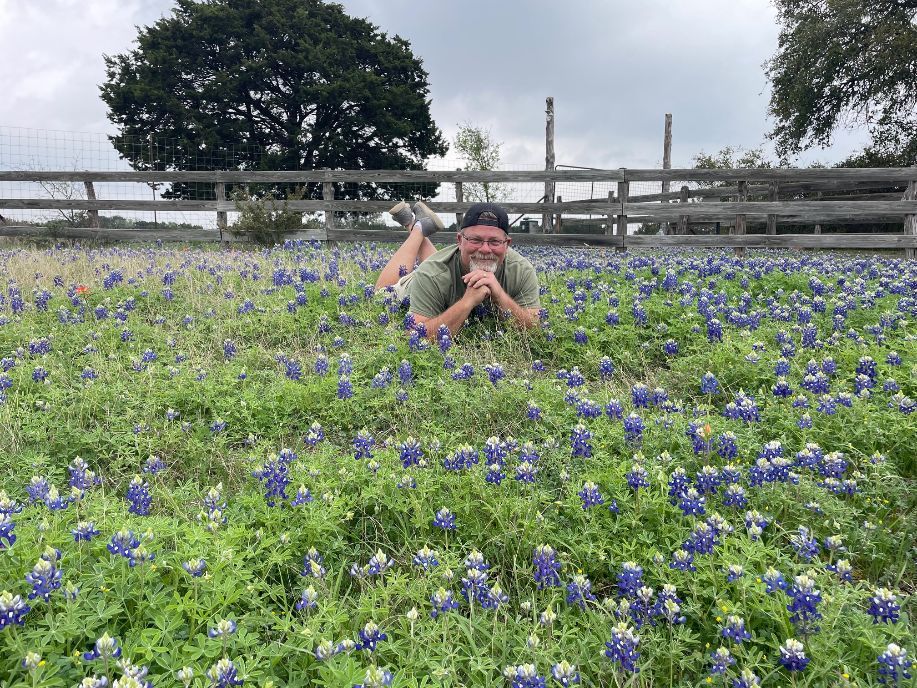
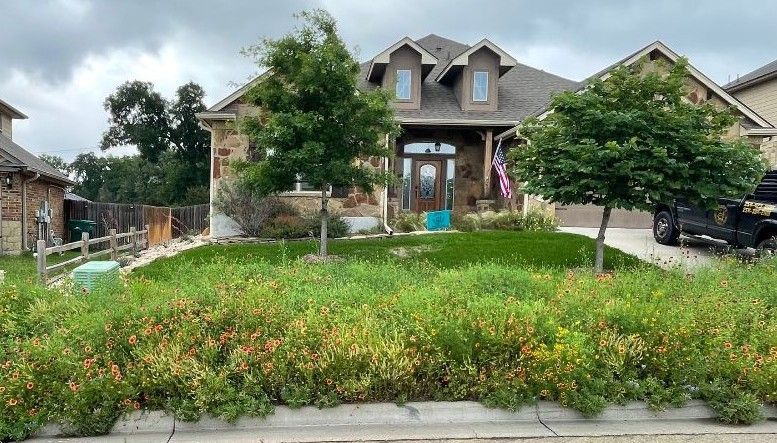
Want bluebonnets and other Texas wildflowers next spring? Fall is planting time—not spring. September into fall is the season to prepare areas, improve seed-to-soil contact and sow appropriate native wildflower mixes.
8. Watch the lawn instead of automatically feeding it.
A lawn that has spent summer struggling doesn't necessarily need a big shot of nitrogen. Evaluate its condition first. Avoid pushing excessive tender growth late in the season, but follow a good organic fertilizer schedule appropriate for your particular turfgrass and soil conditions.
9. Think about winter weeds now.
Homeowners who use pre-emergent herbicides need to act*before winter weeds germinate, not after they're covering the yard. Timing depends on weather and soil temperature, so September is the month to start paying attention.
10. Look for late-summer pests and disease.
Keep an eye out for armyworms, chinch bugs and other turf problems. As nights become cooler and moisture increases, St. Augustine lawns can also become susceptible to large patch. Diagnose the problem before reaching for a pesticide.
11. Clean up—but don't sterilize the landscape.
Remove obviously dead or diseased material and lightly shape plants where needed, but don't butcher everything because summer made it look tired. Many native perennials will rebound beautifully with cooler temperatures.
12. Plant a fall vegetable garden.
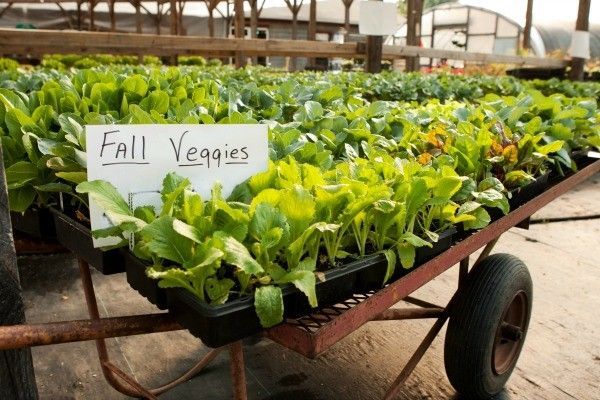
September gets Central Texas gardeners back into vegetable-growing weather. Depending on timing, homeowners can begin working with crops such as broccoli, cauliflower, cabbage, kale, lettuce, carrots, radishes and other cool-season vegetables.
13. Take pictures of the landscape right now.
This is one of my favorite September tips. Photograph the areas that struggled all summer. Where did grass repeatedly burn up? What plants needed constant watering? Where did afternoon sun cook everything? Those are the places to redesign this fall.
The bigger September lesson
September isn't really about trying to make the landscape look perfect again.
It's about asking:
“What did this summer teach me about my yard?”
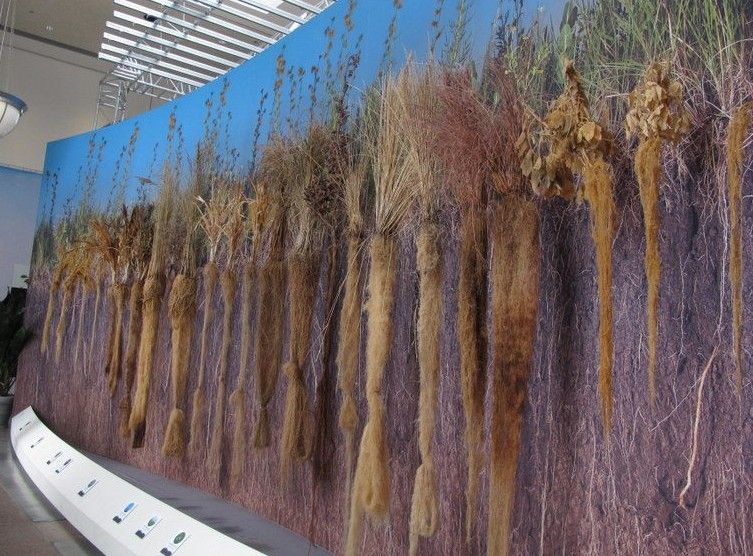
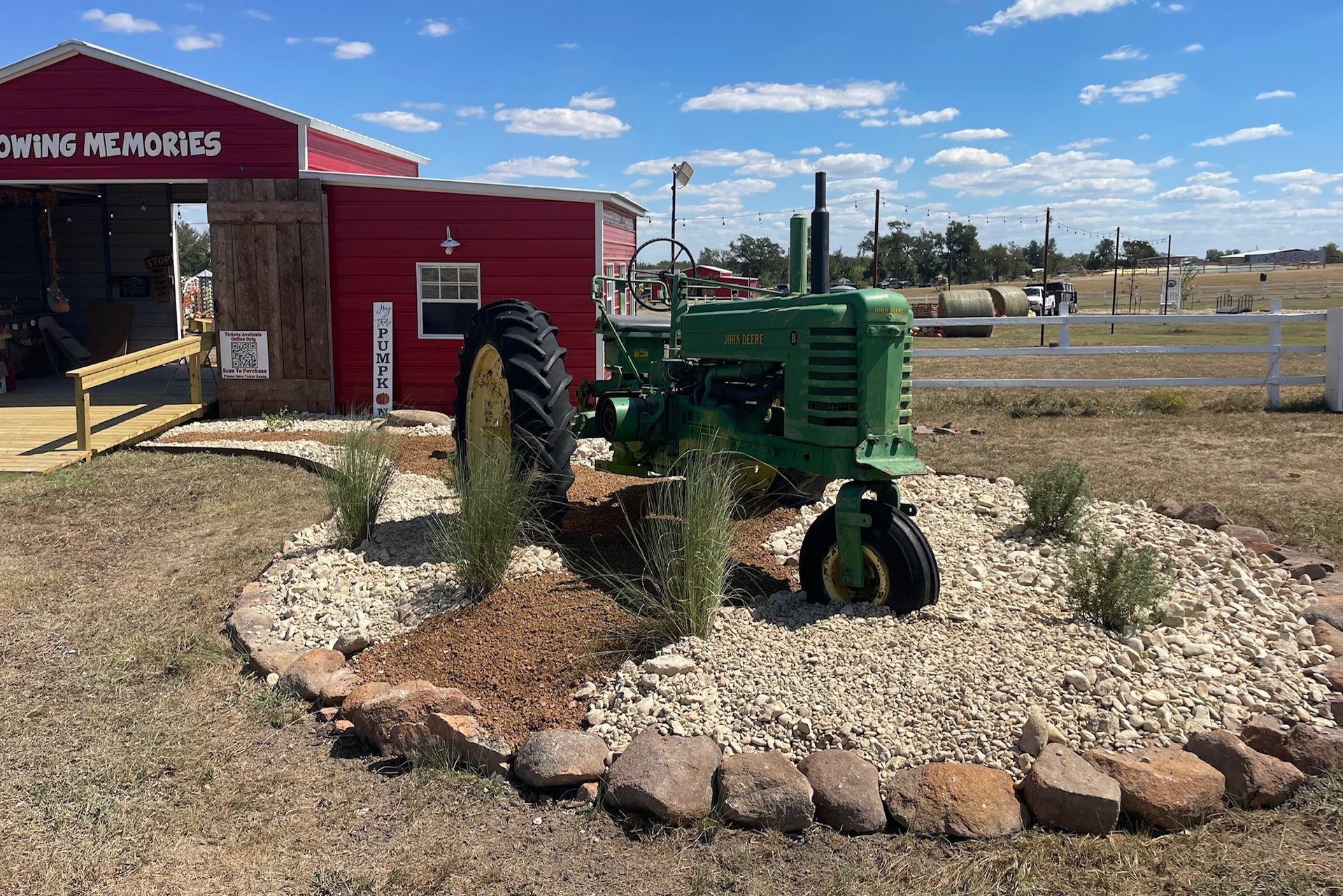
If an area required constant watering just to stay alive, maybe it shouldn't go back exactly the way it was. Replace struggling turf with beds. Use more Texas natives. Add shade. Improve the soil. Capture rainwater. Use drip irrigation. Create a dry creek or xeriscape area.
Our brutal summers are one heck of a landscape consultant—it'll point out every bad decision you made for free.
And September is when we finally get the chance to fix them.
Last but not least, get rid of the lawn and start your xeriscape.
September in Central Texas